
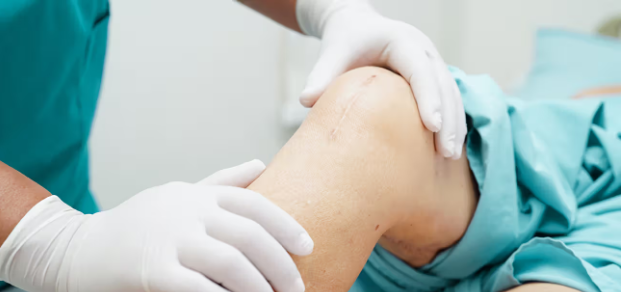
Knee pain can be debilitating, affecting daily activities like walking, climbing stairs, or even standing for long periods. For many people, conditions like arthritis or injury gradually wear down the knee joint, causing persistent pain and limiting mobility. Knee replacement surgery offers a solution for those struggling with chronic knee pain, allowing them to regain comfort and improve quality of life. In this article, we will explore how knee replacement surgery works, what to expect, and how it can help restore pain-free mobility.
Understanding Knee Replacement
Knee replacement, also known as knee arthroplasty, is a surgical procedure where a damaged knee joint is replaced with an artificial joint, typically made of metal and plastic components. This surgery is most commonly recommended for individuals whose knees have been severely affected by osteoarthritis, rheumatoid arthritis, or significant injury. The goal of knee replacement is to relieve pain, improve function, and help patients return to their normal daily activities. By replacing the damaged surfaces of the knee, the procedure helps restore smooth movement, allowing you to bend and straighten your leg without discomfort.
Who Can Benefit from Knee Replacement
Knee replacement is usually considered when conservative treatments like medications, physical therapy, or injections no longer provide sufficient relief. Patients with persistent pain that interferes with their everyday life are ideal candidates. Age, overall health, and activity level are also considered when determining suitability for the surgery. Many people who undergo knee replacement experience significant improvements in mobility and a reduction in chronic pain, enabling them to resume activities they may have avoided for years.
The Knee Replacement Procedure
The knee replacement procedure typically takes one to two hours and is performed under general or regional anesthesia. During surgery, the orthopedic surgeon removes the damaged bone and cartilage from the knee joint and replaces it with a prosthetic joint designed to mimic the natural movement of the knee. Modern knee replacement techniques are highly precise, often using advanced imaging and computer-assisted methods to ensure proper alignment and fit of the artificial joint. Minimally invasive options are also available, which can reduce recovery time and post-surgical discomfort.

Recovery and Rehabilitation
Recovery after knee replacement is an essential part of regaining mobility. Patients are encouraged to start physical therapy soon after surgery to strengthen the muscles around the knee, improve flexibility, and enhance overall function. Initially, walking aids like crutches or a walker may be needed, but most people gradually return to normal movement within a few weeks to months. Adhering to the rehabilitation plan is crucial, as it helps prevent stiffness and ensures the artificial joint functions smoothly. With proper care, patients can achieve a significant reduction in pain and a noticeable improvement in mobility.
Benefits of Knee Replacement
Knee replacement offers multiple benefits for individuals struggling with chronic knee pain. One of the most significant advantages is the relief from persistent pain, which allows patients to enjoy daily activities without discomfort. Improved mobility and stability are other key benefits, enabling easier walking, climbing stairs, and participation in low-impact exercise. Additionally, knee replacement can enhance overall quality of life, boosting confidence and independence by restoring the ability to move comfortably. Long-term, a well-performed knee replacement can last 15 to 20 years, providing lasting relief and improved function.
Lifestyle Considerations After Surgery
After knee replacement, adopting a healthy lifestyle is important for maintaining joint function and overall well-being. Low-impact exercises such as swimming, cycling, and walking are recommended to keep the knee strong without placing excessive stress on the joint. Maintaining a healthy weight also reduces pressure on the knee, helping preserve the artificial joint and prolong its lifespan. Regular follow-up appointments with your orthopedic surgeon are important to monitor the knee’s condition and address any concerns promptly.
Conclusion
Knee replacement surgery is a highly effective solution for individuals suffering from severe knee pain and limited mobility. By replacing damaged joint surfaces with an artificial joint, the procedure provides pain relief, restores function, and allows patients to enjoy daily activities with greater ease. With proper recovery, rehabilitation, and lifestyle adjustments, knee replacement can help you regain pain-free mobility and improve your overall quality of life. For those struggling with chronic knee discomfort, consulting with an orthopedic specialist about knee replacement may be the first step toward a more active and comfortable future.